
Installing a dash cam in your vehicle is a smart move to enhance your driving safety and protect yourself from potential incidents on the road. However, to maximize the effectiveness of your car dash cam, it’s crucial to find the perfect spot for it. Here are some tips and considerations to help you place your dash camera for clear and comprehensive footage.
1. Windshield Mounting: Front and Center
The most common and effective location for a dash cam is on the windshield, just behind the rearview mirror. This position ensures a wide, unobstructed view of the road ahead. Here are some key points to consider:
– Height and Angle: Mount the dash cam high enough to capture a broad view of the road without blocking your view. Adjust the angle to avoid capturing too much sky or dashboard.
– Cable Management: Ensure the power cable is routed neatly to avoid any interference with your driving.
– Legal Considerations: Check local regulations to ensure the dash cam placement complies with laws regarding windshield obstructions.
2. Rear Window Placement: Capturing All Angles
For complete coverage, consider installing a rear dash cam on the rear window. This helps capture footage of incidents from behind, which can be crucial in hit-and-run situations or rear-end collisions. Tips for rear placement include:
– Avoid Obstructions: Ensure the rear cam has a clear view without obstructions from headrests or passengers.
– Stable Mounting: Use a sturdy mount to prevent vibrations that could distort the footage.
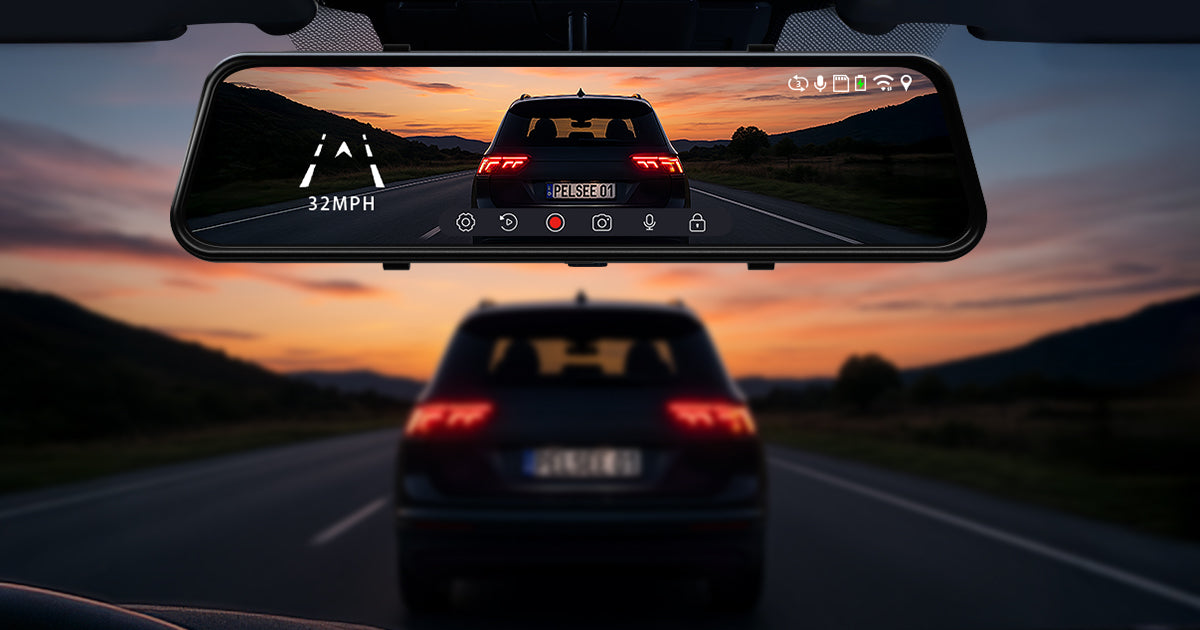
– Coordinate with Front Cam: Position the rear cam to complement the front cam’s coverage, ensuring there are no blind spots.
3. Interior Mounting: Monitoring Inside the Vehicle
For rideshare drivers or those who want to monitor the vehicle’s interior, placing a dash cam inside the cabin can be beneficial. Considerations for interior placement:
– Wide-Angle Lens: Choose a cam with a wide-angle lens to capture the entire cabin.
– Discreet Placement: Mount the cam discreetly to avoid distracting passengers.
– Night Vision: Opt for a cam with good night vision capabilities to capture clear footage in low light.
Additional Tips for Optimal Dash Cam Placement
– Clean the Mounting Surface: Ensure the windshield or window surface is clean before mounting to avoid the cam falling off or capturing blurry footage due to dirt.
– Secure Mounting: Use a reliable suction cup or adhesive mount to keep the cam stable, especially on bumpy roads.
– Regular Adjustments: Periodically check and adjust the cam’s position to maintain optimal coverage, as vibrations and bumps can shift the cam over time.
– Power Supply: Ensure your dash cam has a consistent power supply, either through the vehicle’s power outlet or a hardwired kit for continuous recording.
By carefully choosing the placement of your dash cam for your car, you can ensure it captures clear and comprehensive footage, providing you with valuable evidence and peace of mind on the road. Whether it’s for everyday driving, rideshare services, or just an added layer of security, the right dash cam placement makes all the difference.

Share:
The Role of Dashcams in the Age of Autonomous Vehicles
Back-to-School Safety Tips: Ensuring Safe Driving During School Runs